- Author jon_k /
- 0 comments /
- November 26, 2025
Introduction: The Legacy of the Bridgeport Mill in CNC Machining
The Bridgeport mill is an iconic industrial machine that has shaped modern manufacturing since its invention in 1938, becoming a staple in workshops worldwide.
What is a Bridgeport Mill?
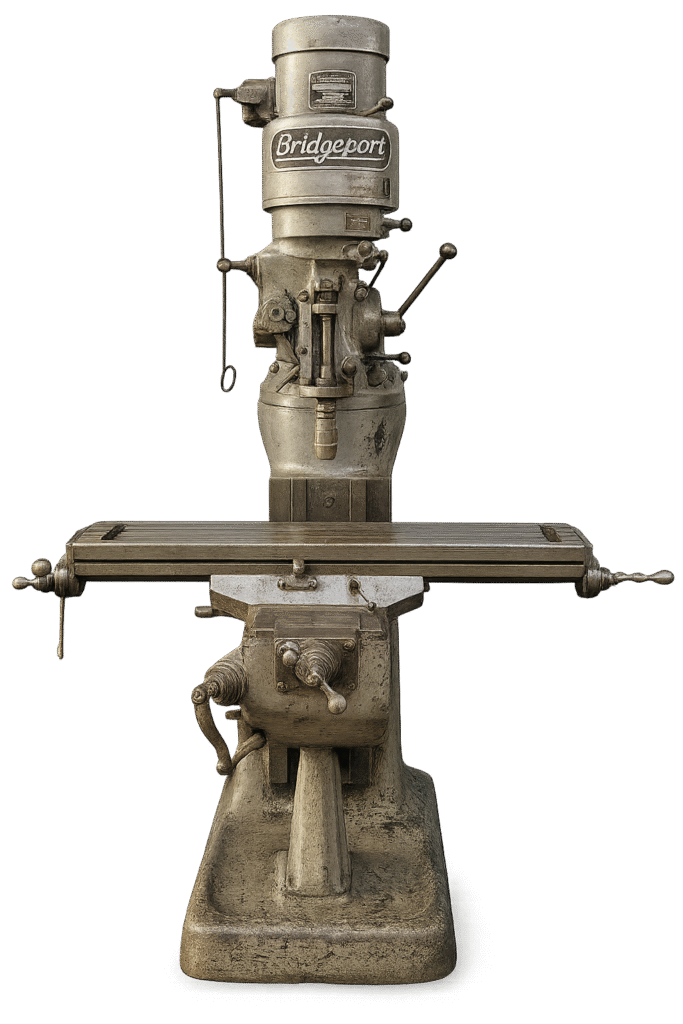
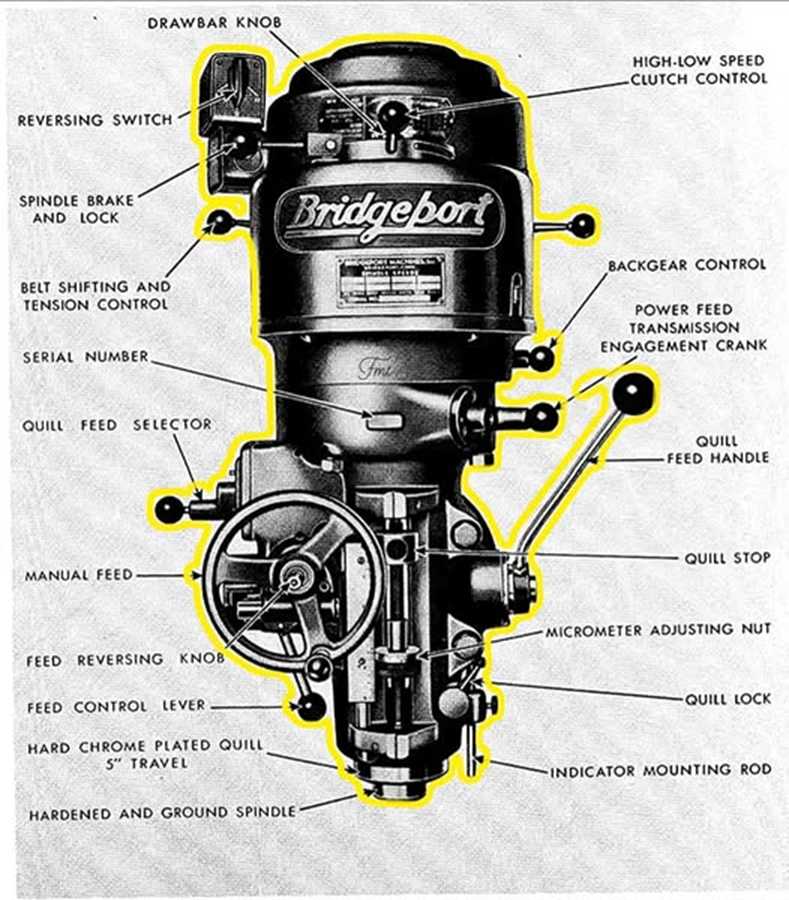
The Bridgeport mill, originally the Bridgeport Series I, is a vertical milling machine designed for precision metal removal using rotating cutters. It features a knee-and-column structure, allowing the table to move in X and Y axes while the head adjusts in Z. Key machine parts include the overarm, arbor support, and quill for fine adjustments. Its durability and modularity make it a favorite for CNC machine in Korea education and production.
10 Essential Facts About the Bridgeport Mill Every Machinist Should Know
Few machines have shaped modern machining as profoundly as the Bridgeport mill. Even with the rise of advanced CNC equipment, the classic Bridgeport still shows up in shops, classrooms, and retrofit labs. Here’s what defines its enduring relevance.
1. A Turning Point in Milling History
Rudolph Bannow’s 1938 design introduced the now-standard knee-type configuration, giving operators vertical head movement that allowed deeper, more controlled cuts. That basic architecture continues to influence many retrofit CNC builds today.
2. Vertical Spindle Versatility
Its upright spindle orientation makes it suitable for face milling, drilling, and boring—tasks that benefit from easy tool access and clear visibility compared to horizontal mill layouts.
3. Knee + Quill = Precise Z-Control
The knee handles coarse table elevation, while the quill offers about five inches of smooth, fine-adjustment travel. This combination is fundamental for teaching Z-axis control and remains a reference point in machining education.
4. Practical Power and Speed
Most units run 1–2 HP motors and reach speeds up to roughly 4,200 RPM. That range is enough for common materials such as steel, aluminum, and plastics.
5. Built for Modularity
Bridgeports take upgrades well. Shops frequently add DRO systems, power feeds, or even full CNC conversion kits when they want to modernize without replacing the whole machine.
6. Longevity Through Heavy Iron
The cast-iron frame is one reason many decades-old Bridgeports are still accurate and smooth. They tolerate wear, sloppy maintenance, and daily use better than most lighter-frame machines.
7. Broad Tooling Compatibility
R8 and MT2 tapers allow the machine to run a wide spectrum of end mills, drills, and face mills. Tooling availability is rarely a limitation.
8. Generous Table Travel
A typical 9×42-inch table with around 30 inches of X-axis movement offers enough space for most medium-size parts, prototypes, and fixtures.
9. Strong Candidate for CNC Retrofits
Many shops convert old Bridgeports to CNC, sometimes adding multi-axis attachments or robotic assistance. These hybrids provide a low-cost bridge between manual operations and full automation.
10. A Foundation for Training
Whether in vocational schools or university machine labs, the Bridgeport remains a staple. Its mechanical clarity makes it ideal for learning milling fundamentals before transitioning to CNC machining.
Applications of the Bridgeport Mill
The Bridgeport mill is versatile for:
- Metalworking: Milling slots, gears, and fixtures in steel or aluminum, common in CNC machine in Korea automotive shops
- Prototyping: Creating custom parts for product development
- Education: Teaching CNC milling basics in CNC machine in Korea schools
- Maintenance: Repairing machine parts in workshop
Benefits of the Bridgeport Mill
- Affordability: Used models start at $2,000–$5,000
- Ease of Use: Intuitive manual controls, easy to retrofit for CNC
- Versatility: Handles diverse tasks with machine accessories
- Durability: Long-lasting machine parts reduce replacement costs